Published: 12 March 2026 / Bioquick News
Sister companies Gene by Gene, a 20-year leader in genetic testing and analysis, and myDNA, a long-standing pharmacogenomics (PGx) firm, have formed recent partnerships that signal accelerating progress in bringing precision medicine to the patient’s bedside. This progress has been made possible by recent technology advances that have drastically dropped the price of DNA sequencing from hundreds of thousands of dollars per human genome just 5 years ago, to as little as $250 per human genome today. In addition, the speed of sequencing has been increased and turnaround time reduced to make whole genome sequencing and its much greater volume of information ever more available for a much larger number of individuals. Up until now, most sequencing involved arrays that could only sequence ~700,000 base pairs at a time. Now, whole genome sequencing enables economic analysis of virtually the entire genome (~3 billion base pairs) at a time.
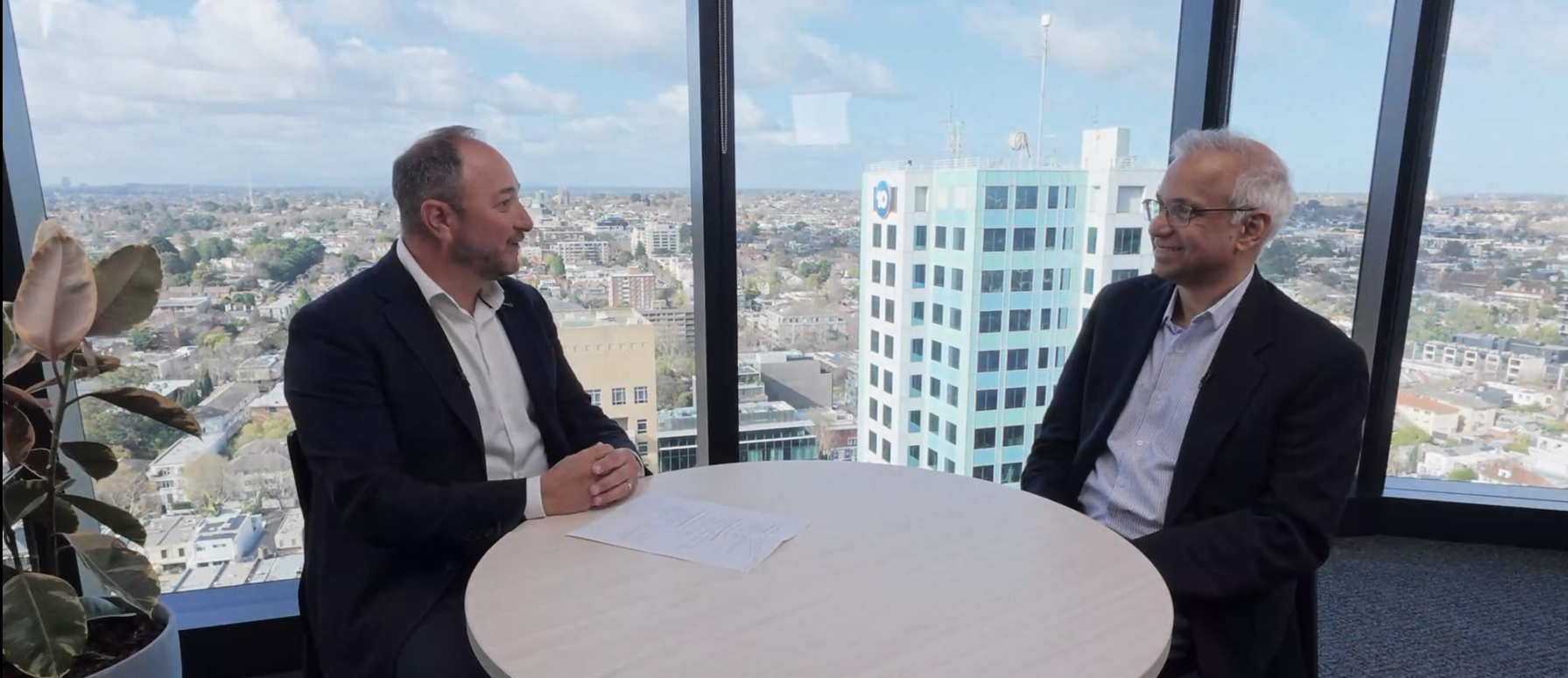
Rauchberger, who was a clinical physician in Melbourne for five years before turning full time to his love of technology and its potential to advance precision medicine by founding the Melbourne-based PGx company myDNA. Rauchberger anticipates that with the current breakthroughs and others on the way, it may be possible for everyone in the world to have a copy of their entire genome sequence from birth as part of their personal health record and this in turn will fuel the widespread adoption of precision medicine to advance human health span. He thinks this universal genome sequencing may be possible by 2035, given the ever-quickening pace of progress.
A flurry of recent collaborations involving Gene by Gene, myDNA, and various gene analysis companies and institutions are signals of the vast improvements and cost-reductions in DNA sequencing making whole genome sequencing economically feasible. Gene by Gene now boasts ~100 B-to-B collaborations and anticipates even more in the near future.
Ultima Genomics
On August 19, 2025, Gene by Gene and Ultima Genomics, Inc., developer of the UG 100™ next-generation sequencing (NGS) platform, announced a partnership to broaden worldwide access to high-quality, cost-effective DNA sequencing. Through this collaboration, Gene by Gene will join Ultima’s growing network of Certified Service Providers—offering whole genome sequencing and other genomic applications on the UG 100. Leveraging Ultima’s scalable sequencing architecture, Gene by Gene will deliver industry-leading DNA analysis services for clinical, research, direct-to-consumer (DTC), and forensic applications. It will join current Certified Service Provider partners including Broad Clinical Labs, Inocras, Macrogen, New York Genome Center, Ontario Institute for Cancer Research, Novogene, Psomagen, and the University of Minnesota Genomics Center.
MyHeritage
On October 14, 2025, MyHeritage, the leading global platform for family history and DNA testing, announced a landmark move to whole genome sequencing for its at-home DNA test, MyHeritage DNA. Leveraging cutting-edge sequencing technology from Ultima Genomics and processing at the Gene by Gene lab in Houston, MyHeritage is the first major consumer DNA testing company to adopt whole genome sequencing at a scale of more than one million tests per year. The enriched data will empower MyHeritage to deliver more accurate ethnicity analysis and DNA matching, and unlock opportunities for future innovation in consumer genomics and genetic genealogy.
“This is a pivotal moment for genetic genealogy,” said Gilad Japhet, Founder and CEO of MyHeritage in a press release. “We are proud to take this pioneering step into whole genome sequencing together with Ultima Genomics and with our longstanding partners at Gene by Gene. MyHeritage customers will enjoy the fruits of this technological upgrade for years to come, through increased accuracy, deeper insights, and exciting new products.”
“MyHeritage’s move to whole genome sequencing marks a major milestone for consumer DNA testing,” said Dr. Gilad Almogy, Founder and CEO of Ultima Genomics. “It demonstrates the scalability and maturity of Ultima’s innovative technology and accelerates the immense value that whole genome sequencing can bring to consumers. It has been a pleasure collaborating with MyHeritage over the past few years, and we are proud to work together with them and Gene by Gene to bring genetic genealogy to new heights for millions of consumers worldwide.”
“The transition to whole genome sequencing represents the most ambitious project in our years-long partnership with MyHeritage,” said Rauchberger in the press release. “We are proud to help set a new standard in consumer genomics and support the growth of what will soon become the world’s largest database of whole genomes. The rollout is centered at Gene by Gene’s state-of-the-art laboratory in Houston, Texas, which will house a large fleet of Ultima UG100™ sequencing instruments.”
Pharmacogenomics and University of Glasgow
On April 17, 2025, the University of Glasgow’s Living Laboratory for Precision Medicine and myDNA announced a new partnership to generate evidence supporting the adoption of PGx in healthcare. The collaboration will focus on exploring the potential of PGx to transform healthcare delivery, aiming to enhance patient outcomes through precision medicine. PGx works by tailoring drug choice and dosage to an individual’s genetic profile, marking a significant shift away from the traditional “one-size-fits-all” model. As healthcare increasingly shifts towards more personalized solutions, PGx is gaining attention for its potential to address the complex and varied – and often detrimental – responses that patients can experience with certain medications.
Through their partnership, the Living Laboratory for Precision Medicine, myDNA, Gene by Gene laboratory services and technology partner Agena Bioscience (providing the PGx platform) will focus on generating real-world data to assess the clinical benefits and cost-effectiveness of PGx. These insights will be instrumental in advocating for its broader adoption within the UK-NHS and healthcare systems worldwide.
The ultimate goal of this collaboration is to generate evidence that will drive the integration of personalized medicine as a standard practice in healthcare. In doing so, it aims to help improve medication safety and efficacy for patients and contribute to significant cost savings for healthcare systems.
Bupa Insurance
In another advance, Rauchberger noted that Bupa, a major Australian insurance company had recently approached myDNA to set up a PGx effort for their clients. Bupa indicated that it could probably get 15,000 clients on board within 6 months. Rauchberger was more conservative—figuring 15,000 as possible within a year. He and, perhaps Bupa also, were surprised to find that 15,000 clients signed up in a few weeks—a clear indication of the increasing impact of precision genetics and medicine.
Lumi Health
Yet another indication of this impact was myDNA’s recent collaboration with Lumi Health to provide carrier screening for couples concerned about life-threatening genetic diseases like cystic fibrosis that are caused by inheriting one faulty gene from each heterozygous parent. myDNA offers a so-called “3-condition test” for cystic fibrosis, spinal muscular atrophy, and fragile X, as well as a much more extensive test for ~1,000 diseases associated with heterozygous parents.
Education Barrier
According to Rauchberger, one current barrier to precision medicine progress is education. Many currently practicing physicians did not study genome sequencing or precision medicine or artificial intelligence (AI) in medical school and are not as knowledgeable about these areas as they might be. Efforts to educate physicians in these areas are crucial to the practical adoption of precision medicine as quickly as possible to maximally treat patients as well as possible.
Exciting Future
Rauchberger is excited by the recent technology progress and looks forward to future advances that will bring the promise of precision health and medicine to widespread reality and extend the health span of individuals around the world.





.png)
.png)